


IBM
IBM Blockchain Platform
Role: Interactive Creative Director / Head of Design

“
People want to know, quite rightly, where ingredients they give to their baby have come from. We wanted a product in which trust meant something.”
Chris Tyas
Global Head of Supply Chain, Nestlé
Overview
Blockchain is a peer-to-peer distributed ledger technology for a new generation of transactional applications that establish trust, accountability, and transparency while streamlining business processes.
I was one of the co-founders of the IBM Blockchain business unit and provided creative direction on the IBM Blockchain Platform, a cloud service offering that allows developers to build, operate, and grow their blockchain network from development to production. The service empowers businesses to digitize transactions through a highly secured, shared, indelible and replicated ledger.
As Head of Design, my role on vNext was overseeing the UX design and research team and partnering with Product and Engineering on offering and implementation strategies.
We built the platform to run on top of Hyperledger Fabric, which is IBM's contribution to open-source, open standards, community-based, enterprise-grade blockchain managed by the Linux Foundation.
Problem
In 2016, we launched the IBM Blockchain Platform Starter and High-Security Business Network (HSBN) service plans on IBM Cloud. These early-stage plans helped developers to learn Fabric and test transactions in a sandbox. They were not intended or ready for production usage.
Companies such as Walmart, Maersk, Everledger, and Securekey endorsed Hyperledger Fabric and built proof-of-concept applications on the HSBN service plan. They saw the potential of Fabric and wanted to go beyond the sandbox to build, govern, and transact with other organizations on a production-grade, managed blockchain service.
Solution
IBM Blockchain Platform vNext
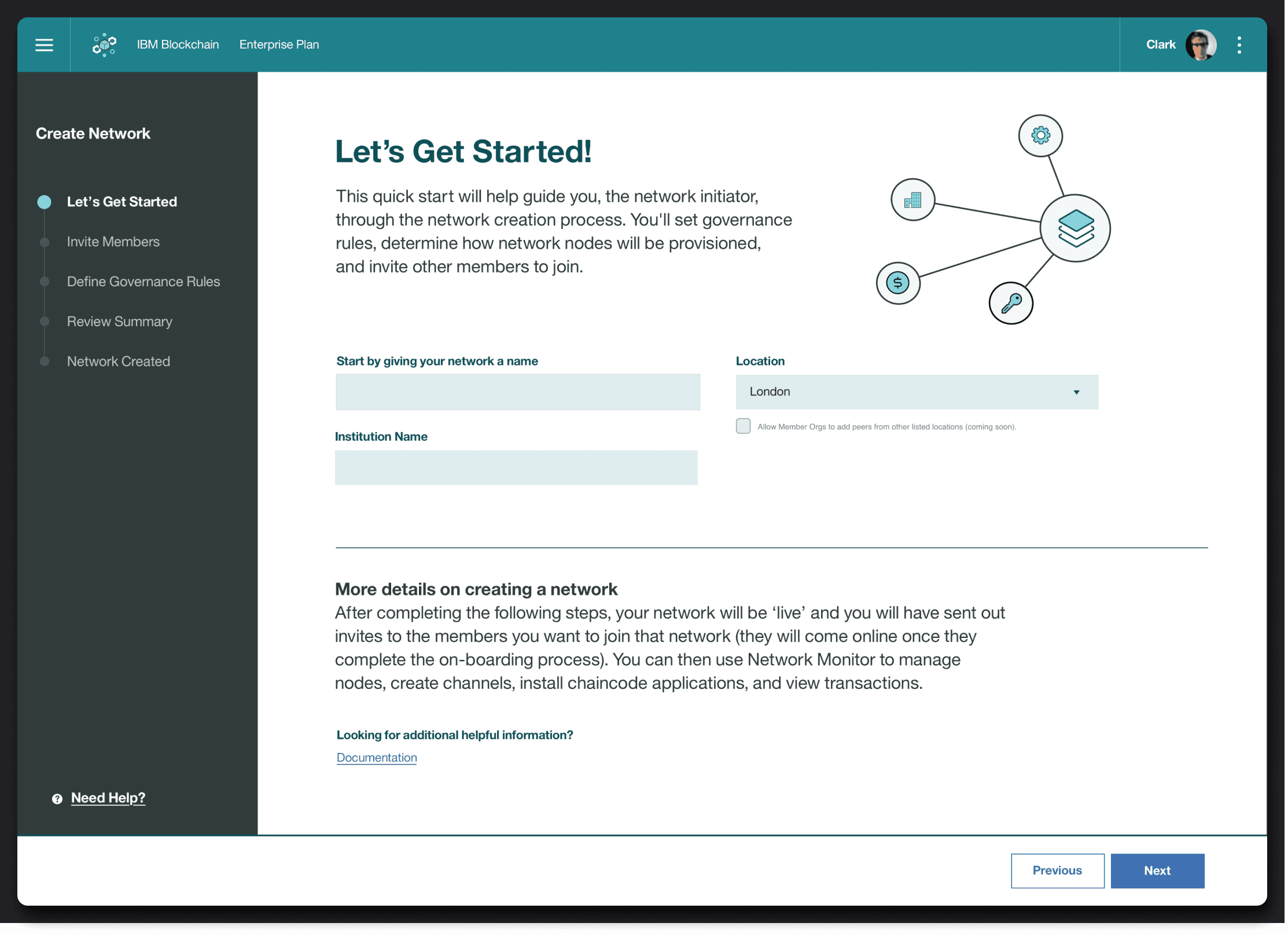
vNext is a managed service built on top of Hyperledger Fabric v1.0, the first truly production-ready blockchain that meets the needs of enterprise use cases: privacy, confidentiality, scalability, and modularity. It allows companies to create, manage, scale, and govern business networks with multiple participants and transact on channels, which are private, permissioned ledgers.
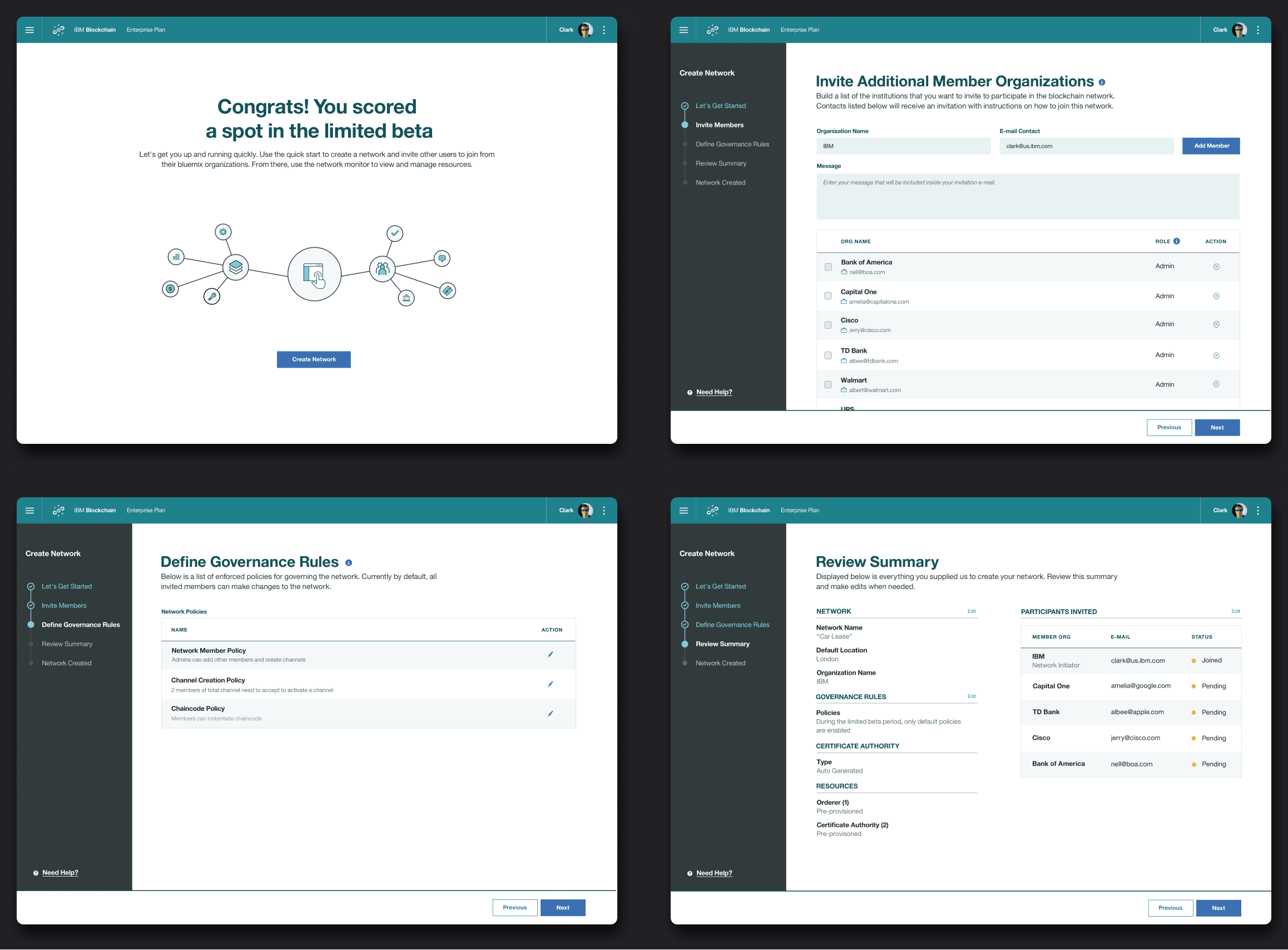
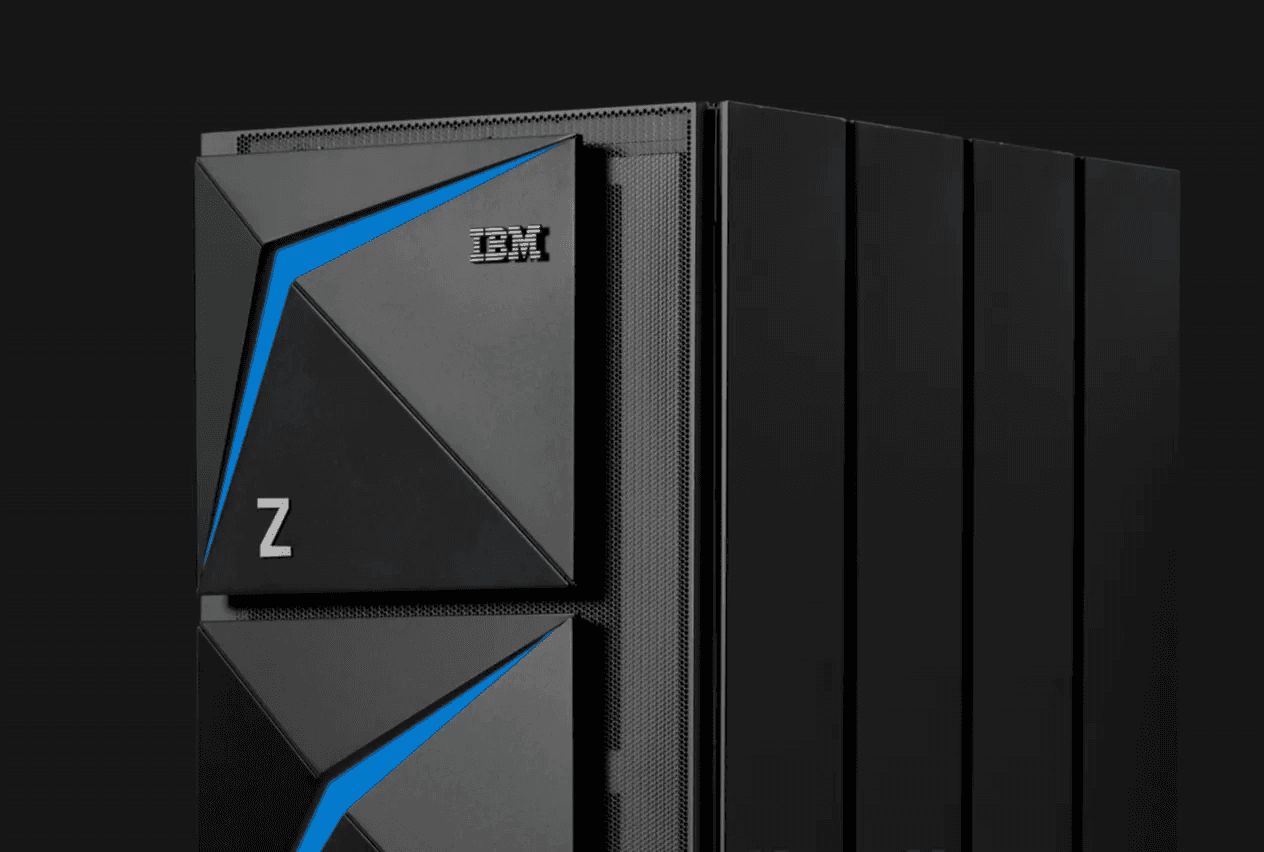
For added security and performance, vNext ran Fabric 1.0 on dedicated IBM Z Mainframe computers, enabling customers to get top-of-the-line compute at a fraction of the normal cost.
IBM Blockchain Offerings
As of September 2017


Only Hyperledger Fabric v1.0 Delivers all Five Key Requirements for Enterprise Blockchain
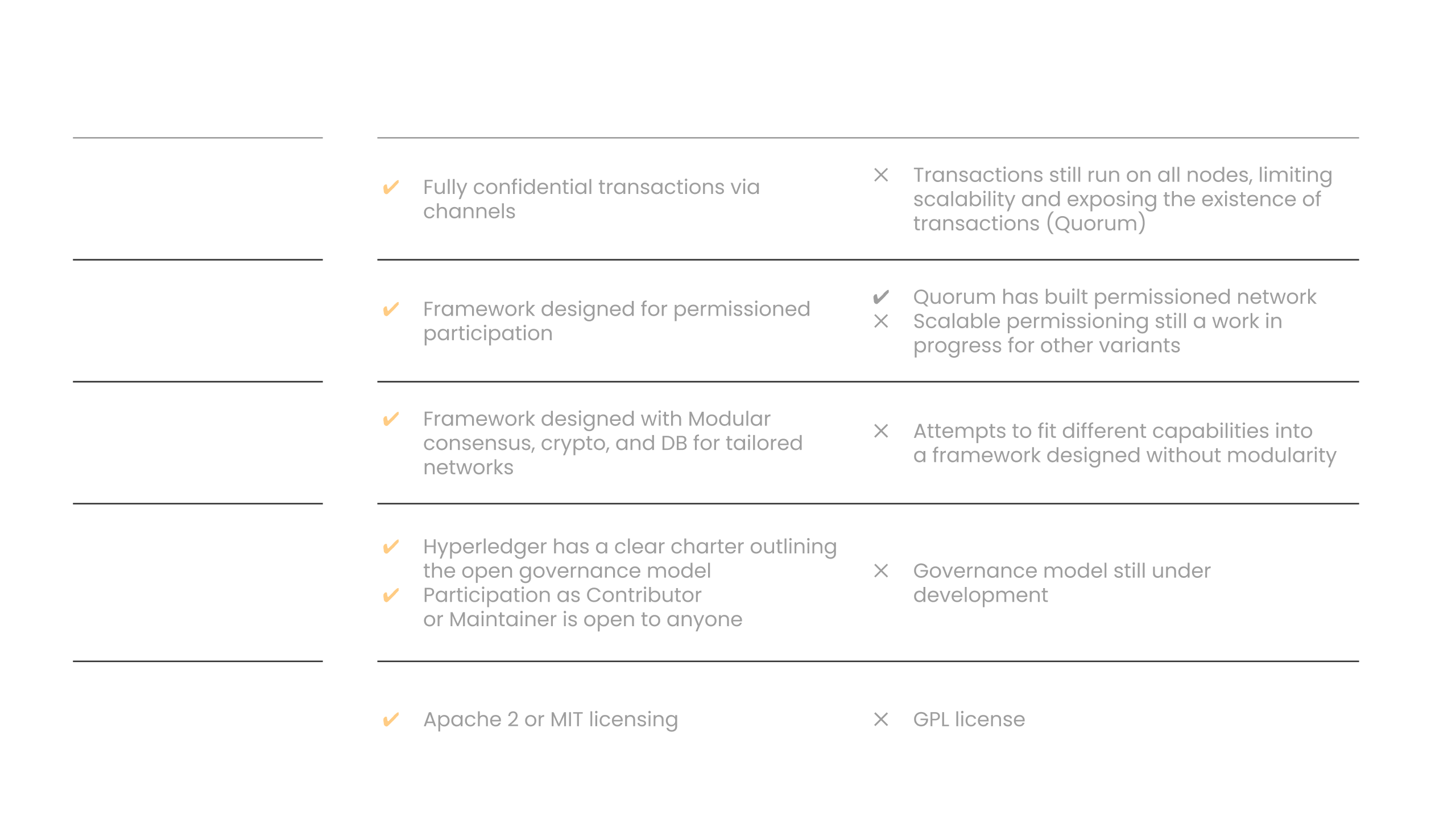
Fabric v1.0 was a competitive advantage and established IBM as a leader in enterprise blockchain technology, according to Juniper Research (report).
The Creative Approach & Process
Behind Designing vNext
Before vNext
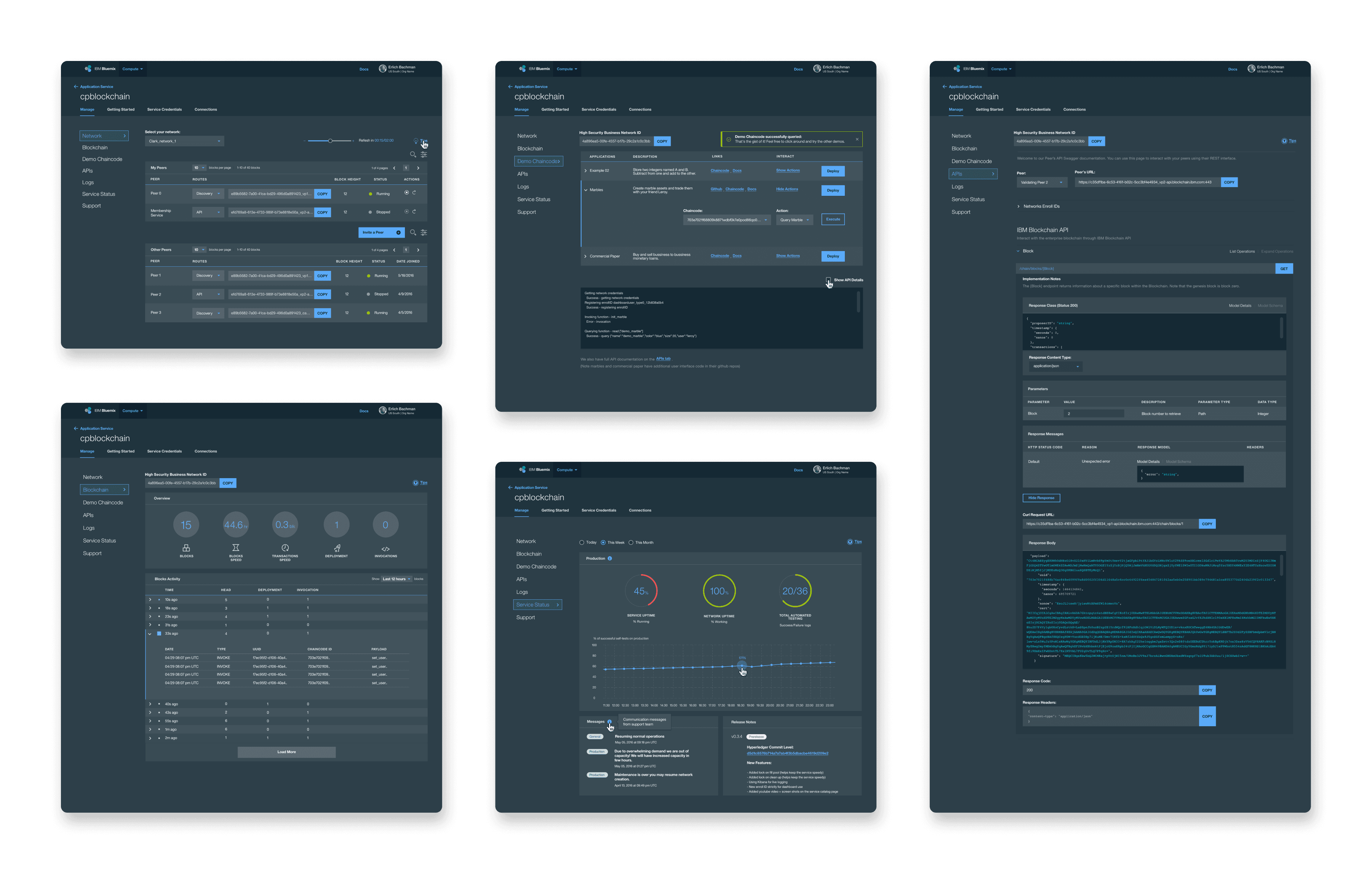
Before vNext, the two betas allowed developers and solution architects from a single organization to test Fabric transactions with a single peer.
The IBM Blockchain Platform beta instantiated a Fabric network on IBM Cloud in 2 mins or less, saving developers an average of 28 mins vs. setting it up locally on their machine.
vNext would allow multiple organizations to network and transact with one another. This shift presented the team with many challenges.
Fabric 1.0 forced a complete re-architecture and redesign of the UX.
Workshops & Planning
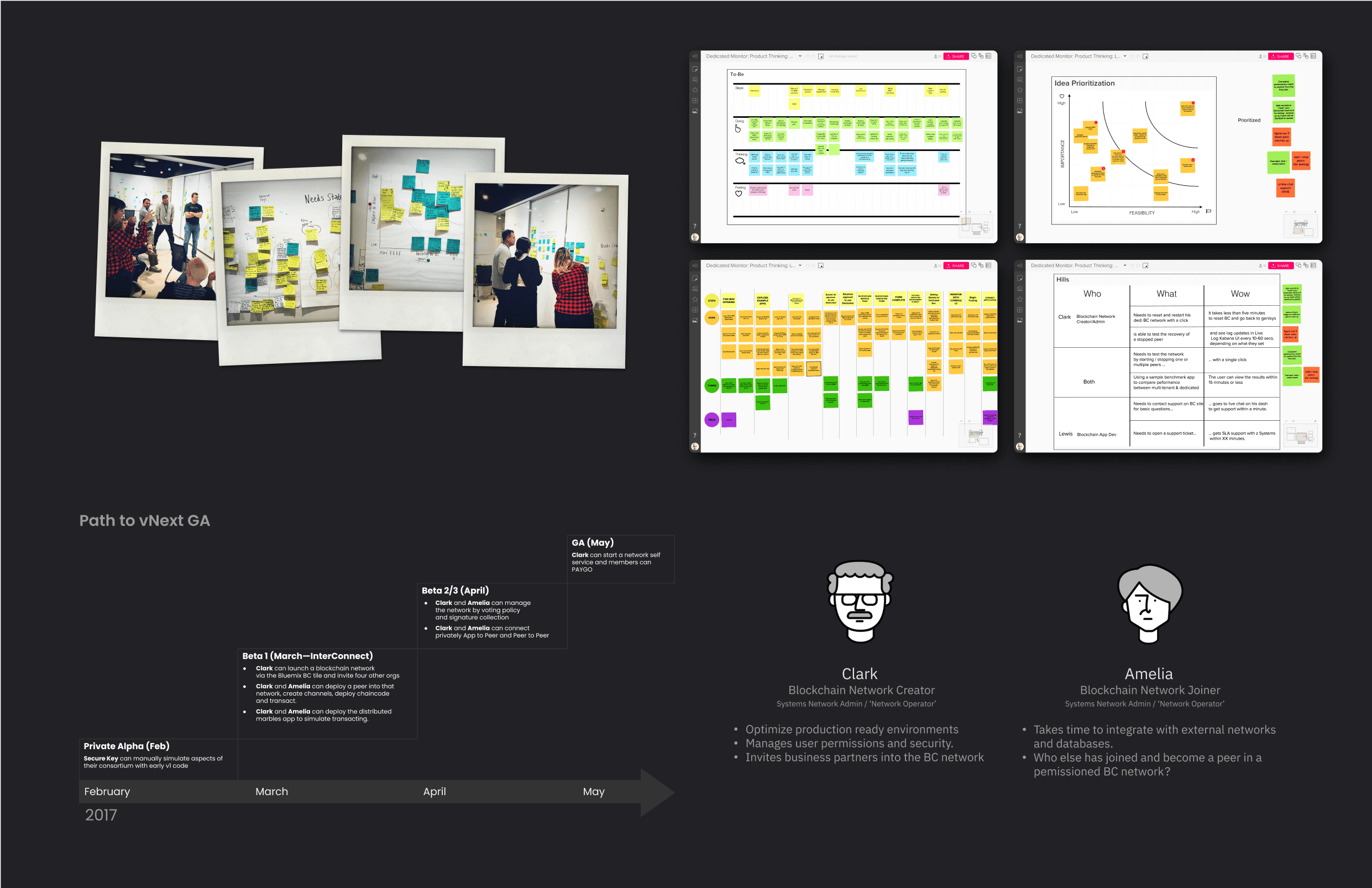
We conducted several workshops to understand, plan, align, and make decisions.
During vNext, I trained my Design Leads on how to facilitate cross-functional Design Thinking workshops and use them to shape the product, project, goals, and expected outcomes.
Sketches
& Flowcharts
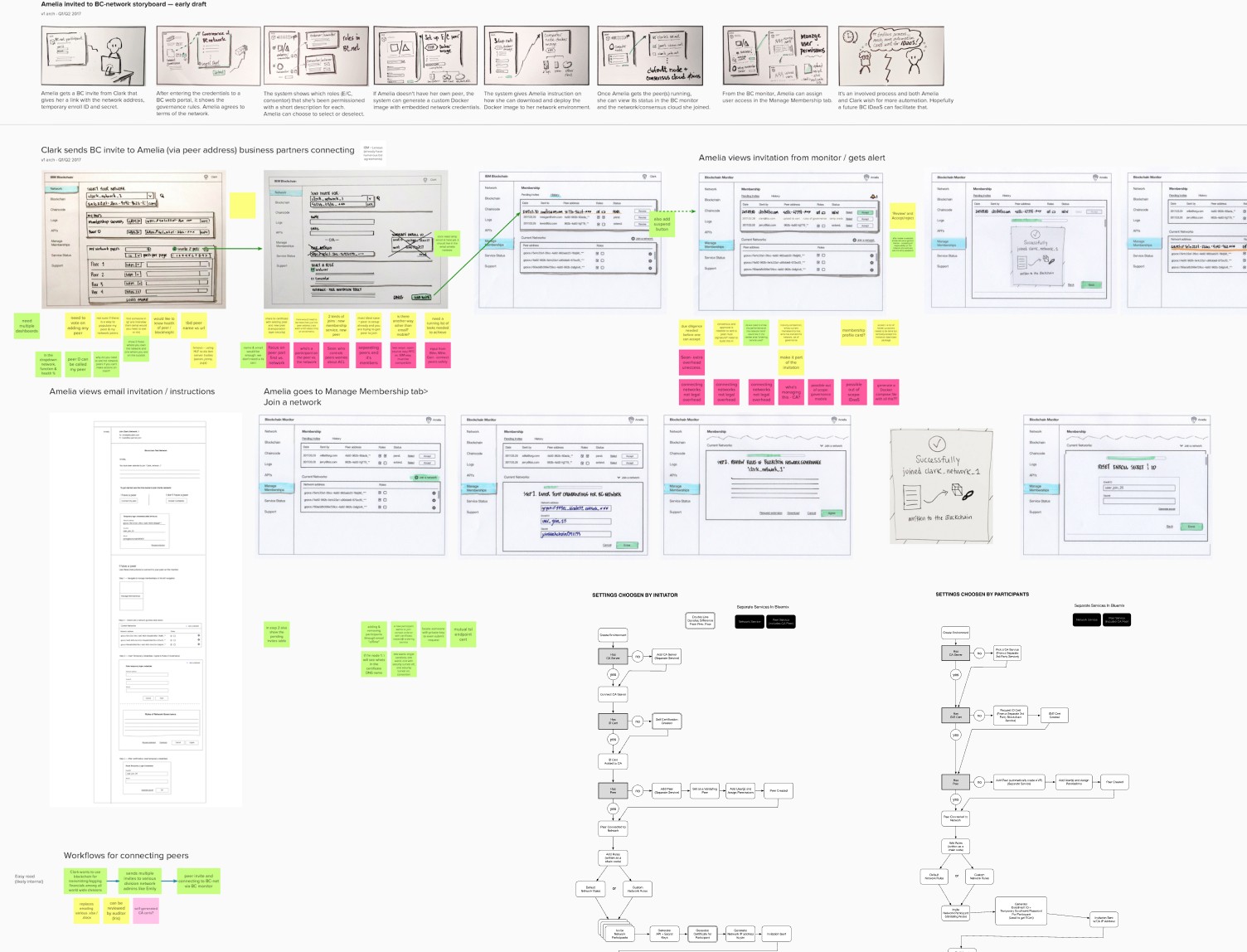
After the workshops, the UX team was encouraged to sketch ideas to test functionality and user flows before jumping into wireframes and high-fidelity mocks.
Over time, Mural boards featured composites of sketches, scanned drawings, and flow charts. The team was highly collaborative and would leave notes to help ask questions and challenge ideas. Often, we would review progress on these boards during our weekly design team reviews.
Wireframes
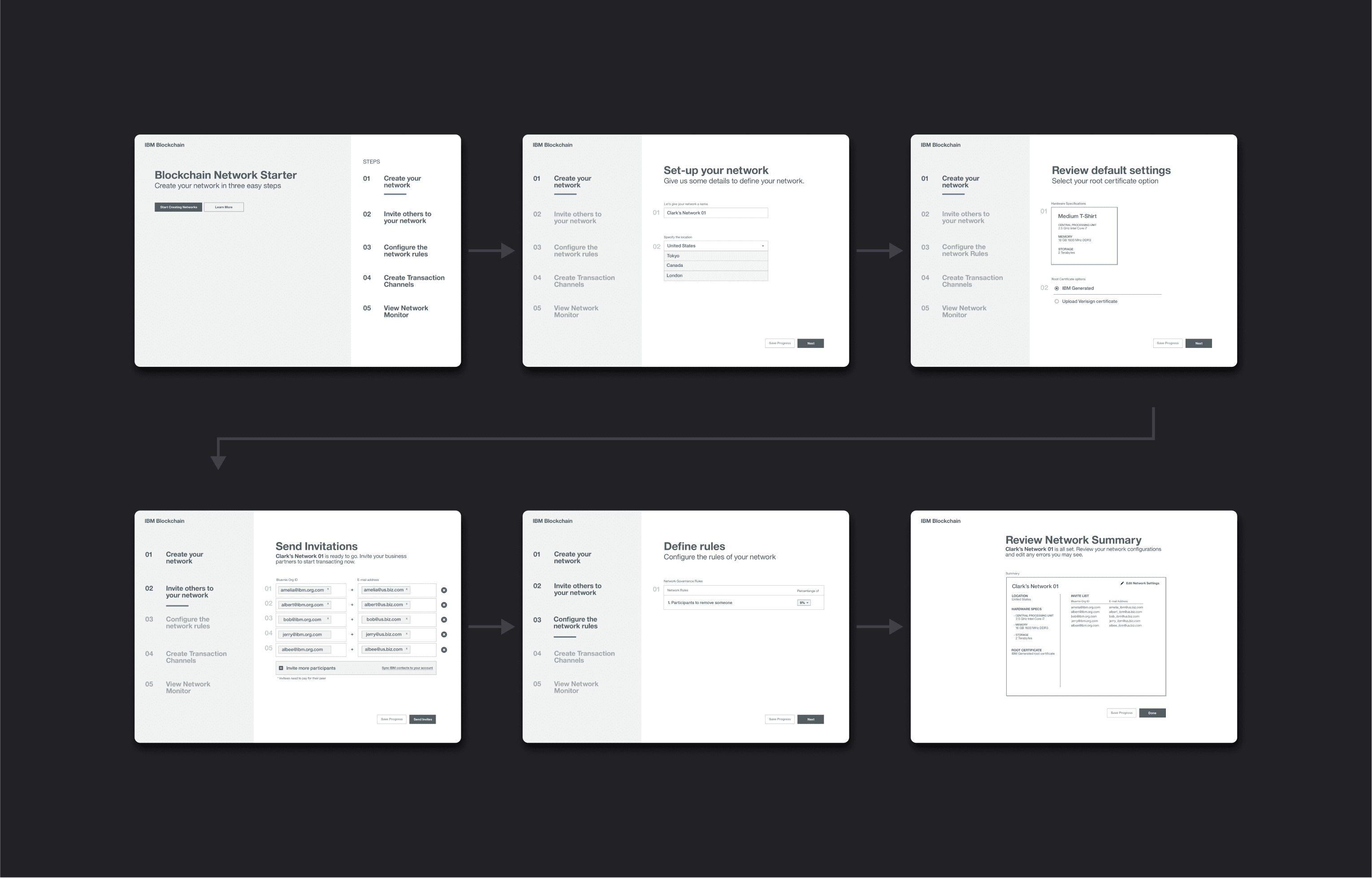
With ideas sketched out, the team developed several rounds of wireframes. Each round helped us to reach alignment on functionality and expectations and get closer to our intended goals and outcomes.
One of the biggest challenges was stepping out experiences for starting and joining a network.
Visual Design
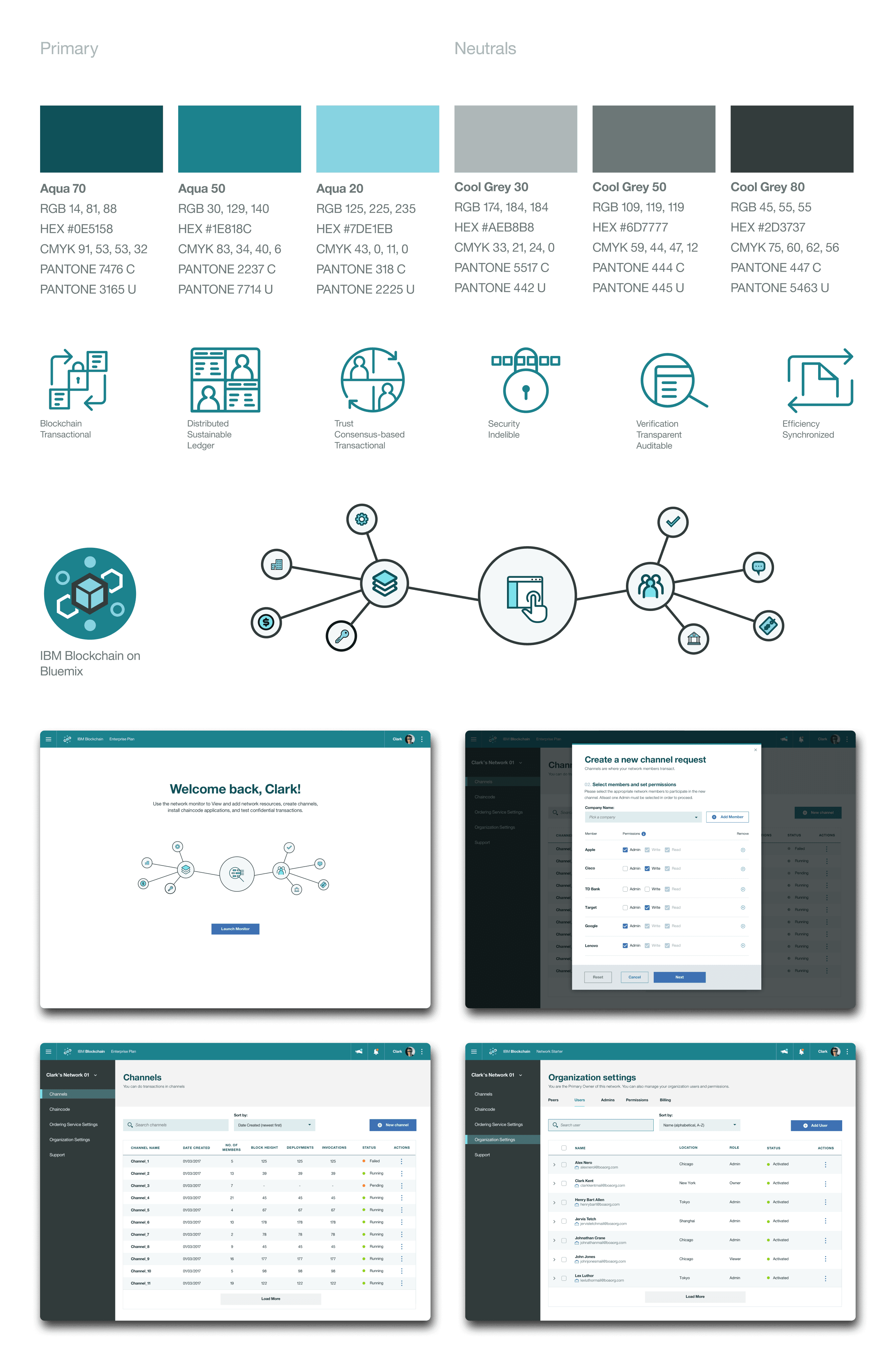
My role was to provide space for the team to explore and experiment, so they could apply their talents and try out their ideas.
The team shaped the look and feel of the UI and had the freedom to try new ways to push the aesthetic and brand language forward.
As a team, we made a subtle color shift From blue to teal and added illustrations to help users identify vNext. We felt teal would resonate with our primary growing user base: fintech and supply chain customers.
Prototypes
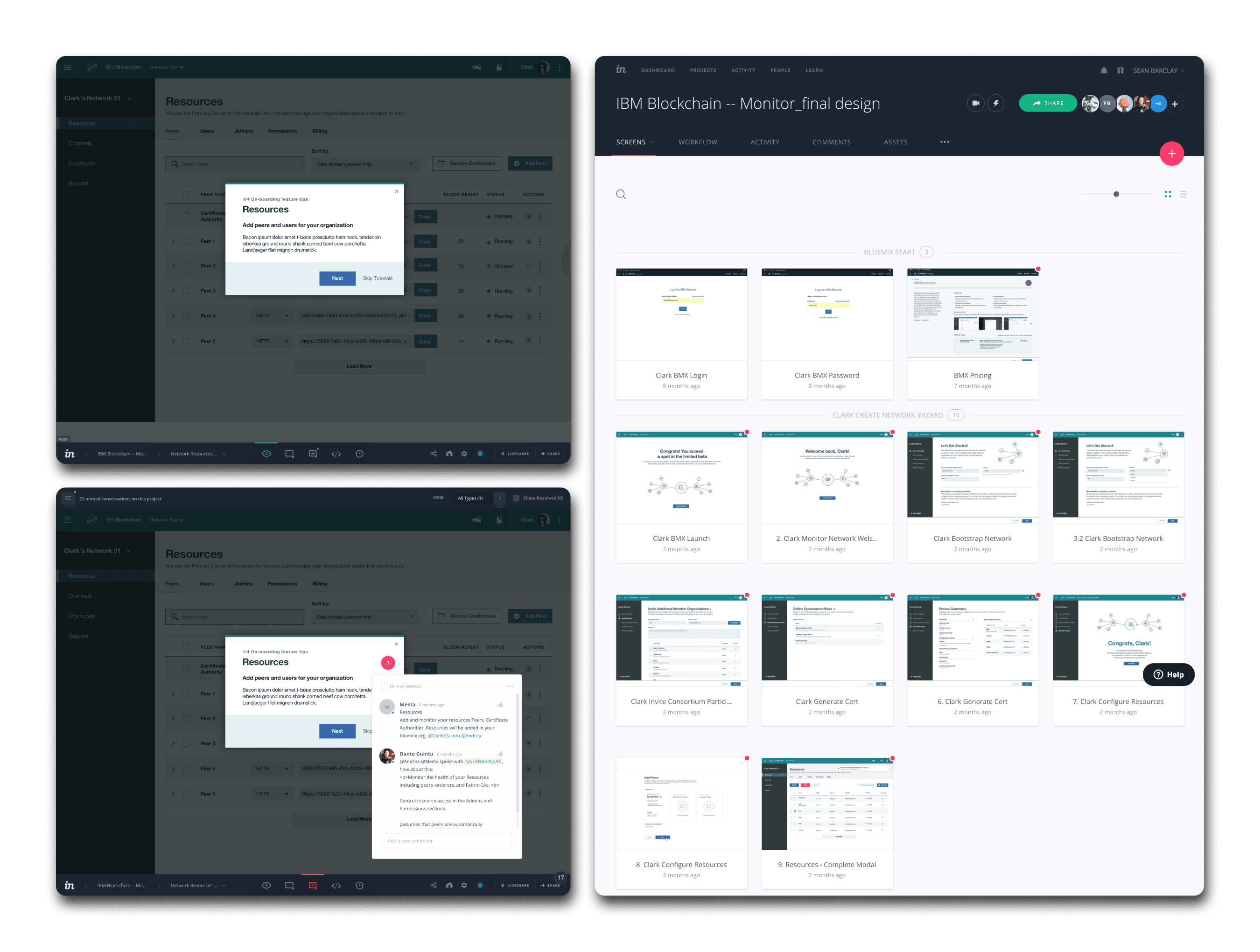
Prototypes helped the design team to share progress with flows and intended functionality internally to Product, Engineering, and Leadership and externally to customers.
Prototypes helped the team to identify issues earlier, suggest new ideas, and help validate the intended experience.
User Research
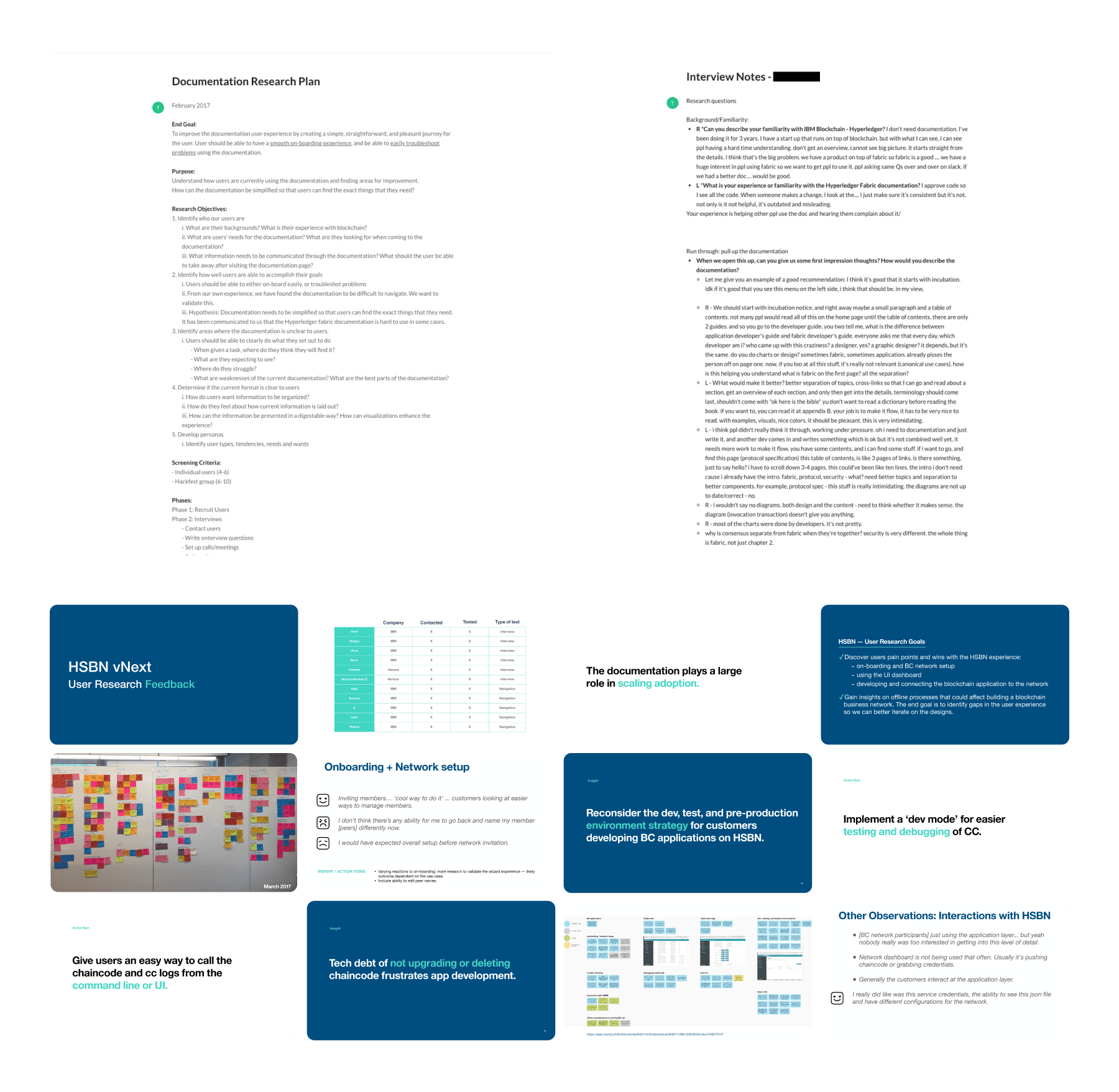
Throughout the vNext project, my UX researchers and I conducted several interviews with internal and external candidates to validate the UX for setting up a network, inviting participants, and creating channels.
Their feedback helped us refine our product strategy, copy, visuals, layouts, and documentation.
Documentation
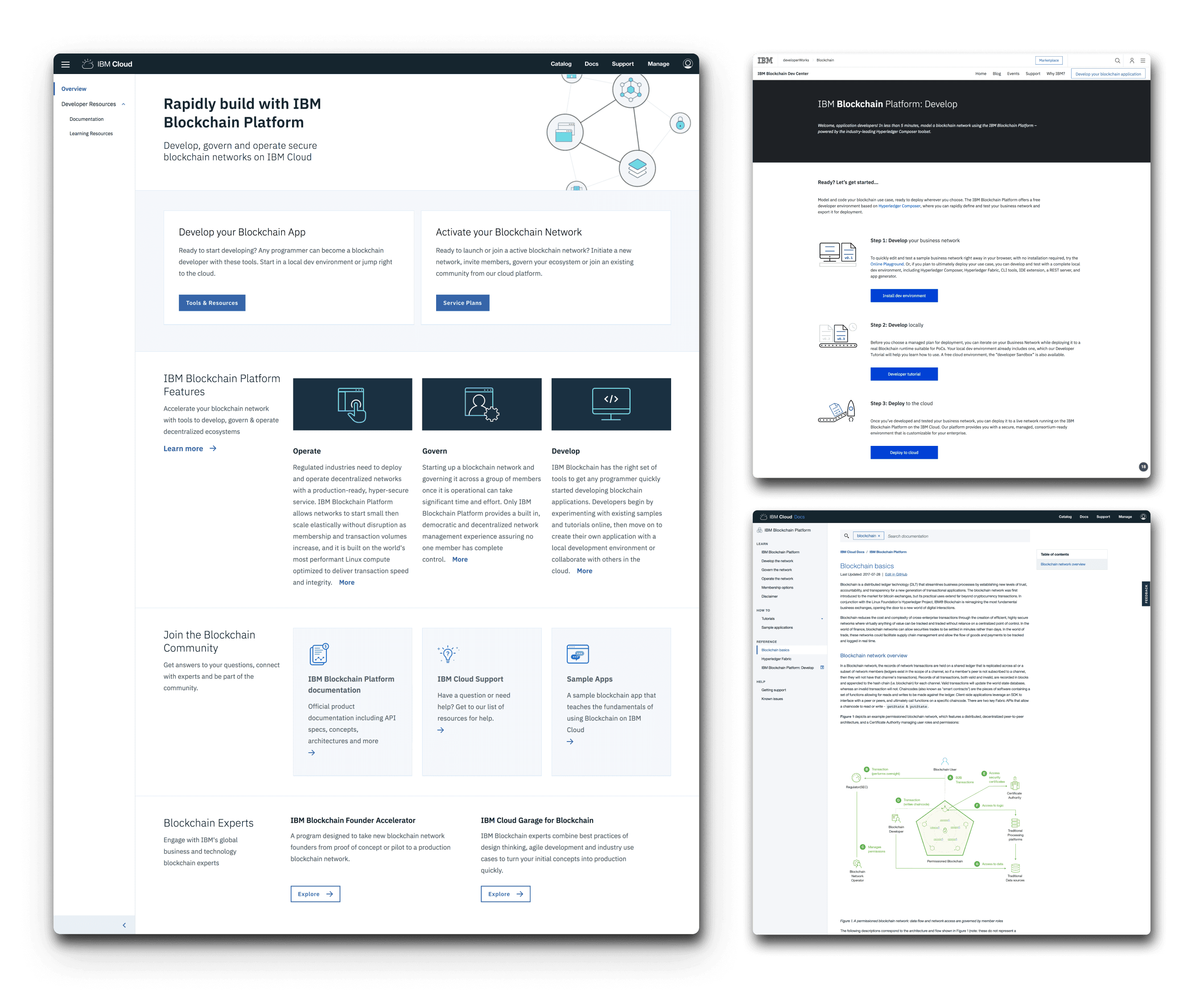
The team spent a considerable amount of time working with the Engineering and Tech Writer teams to take the research feedback to construct and revise documentation to make it as intuitive as possible for the end-user. We designed several visuals and infographics for the documentation to help developers onboard quicker and reduce cognitive overload with learning Fabric v1.0.
Outcome
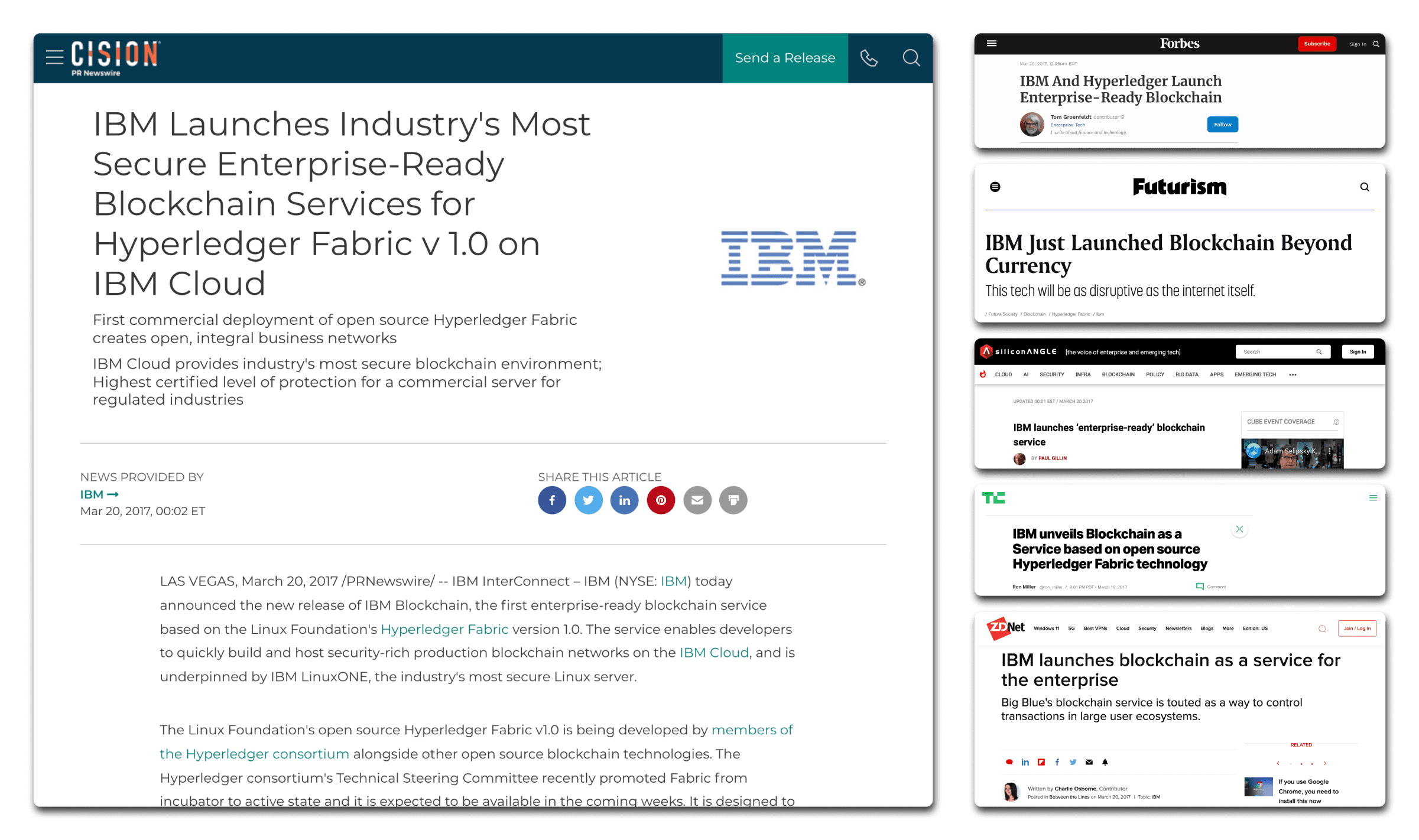
The IBM Blockchain Platform vNext was released on March 17, 2017 and was covered by several media outlets.
IBM Blockchain growth in 2017
#1
Leader in enterprise blockchain technology (Juniper Research)
35
Active networks. Fully operational across business channels.
400+
Client projects built using the IBM Blockchain platform
By September, 2017, IBM was running 9 production networks on vNext with an average of 5-6 operators per network
IBM Global Finance (IGF) Founder: IBM
Global Trade Digitization (Tradelens)Founders: IBM + Maersk
Private Equity Administration Founder: Northern Trust
Luxury Good Exchange / Insurance Founder: Everledger
Identity Verification Ecosystem Founder: SecureKey
Asset Custody Founder: China Postal Savings Bank
Green Asset Market Founder: Energy Blockchain Labs
Food Quality Network (Food Trust) Founders: IBM + Walmart
IBM Supply Chain Network Founder: IBM
Contributions
Product design direction, strategy, architecture, research, workshop facilitation
Collaborators
Andrea Lee (UI Design), Dale Avery (SWE), Dante Guintu (UX Lead), David Huffman (SWE), Gari Singh (CTO/Distinguished SWE), Jerry Cuomo (VP/Fellow, Blockchain), John Wolpert (Director, Product), Kayla White (UI Design), Lucy Wu (UX Research), Mark Parzygnat (Release Mgr), Meeta Vouk (Chief of Staff), Mihir Shah (SWE), Puja Bakshi (UI Design), Raissa Xi (UX Research), Sarah Mills (UX Lead), Sharon Weeds (Director, Eng), Sophia Lopez (Director, Product), Steve Cerveny (Product), Varad Ramamoorthy (SWE Mgr)

IBM
IBM Blockchain Platform
Role: Interactive Creative Director / Head of Design
“
People want to know, quite rightly, where ingredients they give to their baby have come from. We wanted a product in which trust meant something.”
Chris Tyas
Global Head of Supply Chain, Nestlé
Overview
Blockchain is a peer-to-peer distributed ledger technology for a new generation of transactional applications that establish trust, accountability, and transparency while streamlining business processes.
I was a founding member of IBM Blockchain business unit and provided creative direction on the IBM Blockchain Platform, a cloud service offering that allows developers to build, operate, and grow their blockchain network from development to production. The service empowers businesses to digitize transactions through a highly secured, shared, indelible and replicated ledger.
As Head of Design, my role on vNext was overseeing the UX design and research team and partnering with Product and Engineering on offering and implementation strategies.
We built the platform to run on top of Hyperledger Fabric, which is IBM's contribution to open-source, open standards, community-based, enterprise-grade blockchain managed by the Linux Foundation.
Problem
In 2016, we launched the IBM Blockchain Platform Starter and High-Security Business Network (HSBN) service plans on IBM Cloud. These early-stage plans helped developers to learn Fabric and test transactions in a sandbox. They were not intended or ready for production usage.
Companies such as Walmart, Maersk, Everledger, and Securekey endorsed Hyperledger Fabric and built proof-of-concept applications on the HSBN service plan. They saw the potential of Fabric and wanted to go beyond the sandbox to build, govern, and transact with other organizations on a production-grade, managed blockchain service.
Solution
IBM Blockchain Platform vNext
vNext is a managed service built on top of Hyperledger Fabric v1.0, the first truly production-ready blockchain that meets the needs of enterprise use cases: privacy, confidentiality, scalability, and modularity. It allows companies to create, manage, scale, and govern business networks with multiple participants and transact on channels, which are private, permissioned ledgers.
For added security and performance, vNext ran Fabric 1.0 on dedicated IBM Z Mainframe computers, enabling customers to get top-of-the-line compute at a fraction of the normal cost.
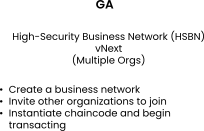
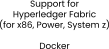
IBM Blockchain Offerings
As of September 2017














Only Hyperledger Fabric v1.0
Delivers all Five Key Requirements for Enterprise Blockchain
Fabric v1.0 was a competitive advantage and established IBM as a leader in enterprise blockchain technology, according to Juniper Research (report).
The Creative Approach & Process
Behind Designing vNext
Before vNext
Before vNext, the two betas allowed developers and solution architects from a single organization to test Fabric transactions with a single peer.
The IBM Blockchain Platform beta instantiated a Fabric network on IBM Cloud in 2 mins or less, saving developers an average of 28 mins vs. setting it up locally on their machine.
vNext would allow multiple organizations to network and transact with one another. This shift presented the team with many challenges.
Fabric 1.0 forced a complete re-architecture and redesign of the UX.
Workshops & Planning
We conducted several workshops to understand, plan, align, and make decisions.
During vNext, I trained my Design Leads on how to facilitate cross-functional Design Thinking workshops and use them to shape the product, project, goals, and expected outcomes.
Sketches
& Flowcharts
After the workshops, the UX team was encouraged to sketch ideas to test functionality and user flows before jumping into wireframes and high-fidelity mocks.
Over time, Mural boards featured composites of sketches, scanned drawings, and flow charts. The team was highly collaborative and would leave notes to help ask questions and challenge ideas. Often, we would review progress on these boards during our weekly design team reviews.
Wireframes
With ideas sketched out, the team developed several rounds of wireframes. Each round helped us to reach alignment on functionality and expectations and get closer to our intended goals and outcomes.
One of the biggest challenges was stepping out experiences for starting and joining a network.
Visual Design
My role was to provide space for the team to explore and experiment, so they could apply their talents and try out their ideas.
The team shaped the look and feel of the UI and had the freedom to try new ways to push the aesthetic and brand language forward.
vNext would allow multiple organizations to network and transact with one another. This shift presented the team with many challenges.
Fabric 1.0 forced a complete re-architecture and redesign of the UX.
Prototypes
Prototypes helped the design team to share progress with flows and intended functionality internally to Product, Engineering, and Leadership and externally to customers.
Prototypes helped the team to identify issues earlier, suggest new ideas, and help validate the intended experience.
User Research
Throughout the vNext project, my UX researchers and I conducted several interviews with internal and external candidates to validate the UX for setting up a network, inviting participants, and creating channels.
Their feedback helped us refine our product strategy, copy, visuals, layouts, and documentation.
Documentation
The team spent a considerable amount of time working with the Engineering and Tech Writer teams to take the research feedback to construct and revise documentation to make it as intuitive as possible for the end-user. We designed several visuals and infographics for the documentation to help developers onboard quicker and reduce cognitive overload with learning Fabric v1.0.
Outcome
The IBM Blockchain Platform vNext was released on March 17, 2017 and was covered by several media outlets.
IBM Blockchain growth in 2017
#1
Leader in enterprise blockchain technology (Juniper Research)
35
Active networks. Fully operational across business channels.
400+
Client projects built using the IBM Blockchain platform
By September, 2017, IBM was running 9 production networks on vNext with an average of 5-6 operators per network
IBM Global Finance (IGF) Founder: IBM
Global Trade Digitization (Tradelens)Founders: IBM + Maersk
Private Equity Administration Founder: Northern Trust
Luxury Good Exchange / Insurance Founder: Everledger
Identity Verification Ecosystem Founder: SecureKey
Asset Custody Founder: China Postal Savings Bank
Green Asset Market Founder: Energy Blockchain Labs
Food Quality Network (Food Trust) Founders: IBM + Walmart
IBM Supply Chain Network Founder: IBM
Contributions
Product design direction, Strategy, Research, Workshop Facilitation
Collaborators
Andrea Lee (UI Design), Dale Avery (SWE), Dante Guintu (UX Lead), David Huffman (SWE), Gari Singh (CTO/Distinguished SWE), Jerry Cuomo (VP/Fellow, Blockchain), John Wolpert (Director, Product), Kayla White (UI Design), Lucy Wu (UX Research), Mark Parzygnat (Release Mgr), Meeta Vouk (Chief of Staff), Mihir Shah (SWE), Puja Bakshi (UI Design), Raissa Xi (UX Research), Sarah Mills (UX Lead), Sharon Weeds (Director, Eng), Sophia Lopez (Director, Product), Steve Cerveny (Product), Varad Ramamoorthy (SWE Mgr)

IBM
IBM Blockchain Platform
Role: Interactive Creative Director / Head of Design
“
People want to know, quite rightly, where ingredients they give to their baby have come from. We wanted a product in which trust meant something.”
Chris Tyas
Global Head of Supply Chain, Nestlé
Overview
Blockchain is a peer-to-peer distributed ledger technology for a new generation of transactional applications that establish trust, accountability, and transparency while streamlining business processes.
I was a founding member of IBM Blockchain business unit and provided creative direction on the IBM Blockchain Platform, a cloud service offering that allows developers to build, operate, and grow their blockchain network from development to production. The service empowers businesses to digitize transactions through a highly secured, shared, indelible and replicated ledger.
As Head of Design, my role on vNext was overseeing the UX design and research team and partnering with Product and Engineering on offering and implementation strategies.
We built the platform to run on top of Hyperledger Fabric, which is IBM's contribution to open-source, open standards, community-based, enterprise-grade blockchain managed by the Linux Foundation.
Problem
In 2016, we launched the IBM Blockchain Platform Starter and High-Security Business Network (HSBN) service plans on IBM Cloud. These early-stage plans helped developers to learn Fabric and test transactions in a sandbox. They were not intended or ready for production usage.
Companies such as Walmart, Maersk, Everledger, and Securekey endorsed Hyperledger Fabric and built proof-of-concept applications on the HSBN service plan. They saw the potential of Fabric and wanted to go beyond the sandbox to build, govern, and transact with other organizations on a production-grade, managed blockchain service.
Solution
IBM Blockchain Platform vNext
vNext is a managed service built on top of Hyperledger Fabric v1.0, the first truly production-ready blockchain that meets the needs of enterprise use cases: privacy, confidentiality, scalability, and modularity. It allows companies to create, manage, scale, and govern business networks with multiple participants and transact on channels, which are private, permissioned ledgers.
For added security and performance, vNext ran Fabric 1.0 on dedicated IBM Z Mainframe computers, enabling customers to get top-of-the-line compute at a fraction of the normal cost.
IBM Blockchain Offerings
As of September 2017

Only Hyperledger Fabric v1.0
Delivers all Five Key Requirements
for Enterprise Blockchain
Fabric v1.0 was a competitive advantage and established IBM as a leader in enterprise blockchain technology, according to Juniper Research (report).
The Creative Approach & Process
Behind Designing vNext
Before vNext
Before vNext, the two betas allowed developers and solution architects from a single organization to test Fabric transactions with a single peer.
The IBM Blockchain Platform beta instantiated a Fabric network on IBM Cloud in 2 mins or less, saving developers an average of 28 mins vs. setting it up locally on their machine.
vNext would allow multiple organizations to network and transact with one another. This shift presented the team with many challenges.
Fabric 1.0 forced a complete re-architecture and redesign of the UX.
Workshops & Planning
We conducted several workshops to understand, plan, align, and make decisions.
During vNext, I trained my Design Leads on how to facilitate cross-functional Design Thinking workshops and use them to shape the product, project, goals, and expected outcomes.
Sketches
& Flowcharts
After the workshops, the UX team was encouraged to sketch ideas to test functionality and user flows before jumping into wireframes and high-fidelity mocks.
Over time, Mural boards featured composites of sketches, scanned drawings, and flow charts. The team was highly collaborative and would leave notes to help ask questions and challenge ideas. Often, we would review progress on these boards during our weekly design team reviews.
Wireframes
With ideas sketched out, the team developed several rounds of wireframes. Each round helped us to reach alignment on functionality and expectations and get closer to our intended goals and outcomes.
One of the biggest challenges was stepping out experiences for starting and joining a network.
Visual Design
My role was to provide space for the team to explore and experiment, so they could apply their talents and try out their ideas.
The team shaped the look and feel of the UI and had the freedom to try new ways to push the aesthetic and brand language forward.
As a team, we made a subtle color shift From blue to teal and added illustrations to help users identify vNext. We felt teal would resonate with our primary growing user base: fintech and supply chain customers.
Prototypes
Prototypes helped the design team to share progress with flows and intended functionality internally to Product, Engineering, and Leadership and externally to customers.
Prototypes helped the team to identify issues earlier, suggest new ideas, and help validate the intended experience.
User Research
Throughout the vNext project, my UX researchers and I conducted several interviews with internal and external candidates to validate the UX for setting up a network, inviting participants, and creating channels.
Their feedback helped us refine our product strategy, copy, visuals, layouts, and documentation.
Documentation
The team spent a considerable amount of time working with the Engineering and Tech Writer teams to take the research feedback to construct and revise documentation to make it as intuitive as possible for the end-user. We designed several visuals and infographics for the documentation to help developers onboard quicker and reduce cognitive overload with learning Fabric v1.0.
Outcome
The IBM Blockchain Platform vNext was released on March 17, 2017 and was covered by several media outlets.
IBM Blockchain growth in 2017
#1
Leader in enterprise blockchain technology (Juniper Research)
35
Active networks. Fully operational across business channels.
400+
Client projects built using the IBM Blockchain platform
By September, 2017, IBM was running 9 production networks on vNext with an average of 5-6 operators per network
IBM Global Finance (IGF) Founder: IBM
Global Trade Digitization (Tradelens)Founders: IBM + Maersk
Private Equity Administration Founder: Northern Trust
Luxury Good Exchange / Insurance Founder: Everledger
Identity Verification Ecosystem Founder: SecureKey
Asset Custody Founder: China Postal Savings Bank
Green Asset Market Founder: Energy Blockchain Labs
Food Quality Network (Food Trust) Founders: IBM + Walmart
IBM Supply Chain Network Founder: IBM
Contributions
Product design direction, strategy, architecture, research, workshop facilitation
Collaborators
Andrea Lee (UI Design), Dale Avery (SWE), Dante Guintu (UX Lead), David Huffman (SWE), Gari Singh (CTO/Distinguished SWE), Jerry Cuomo (VP/Fellow, Blockchain), John Wolpert (Director, Product), Kayla White (UI Design), Lucy Wu (UX Research), Mark Parzygnat (Release Mgr), Meeta Vouk (Chief of Staff), Mihir Shah (SWE), Puja Bakshi (UI Design), Raissa Xi (UX Research), Sarah Mills (UX Lead), Sharon Weeds (Director, Eng), Sophia Lopez (Director, Product), Steve Cerveny (Product), Varad Ramamoorthy (SWE Mgr)